
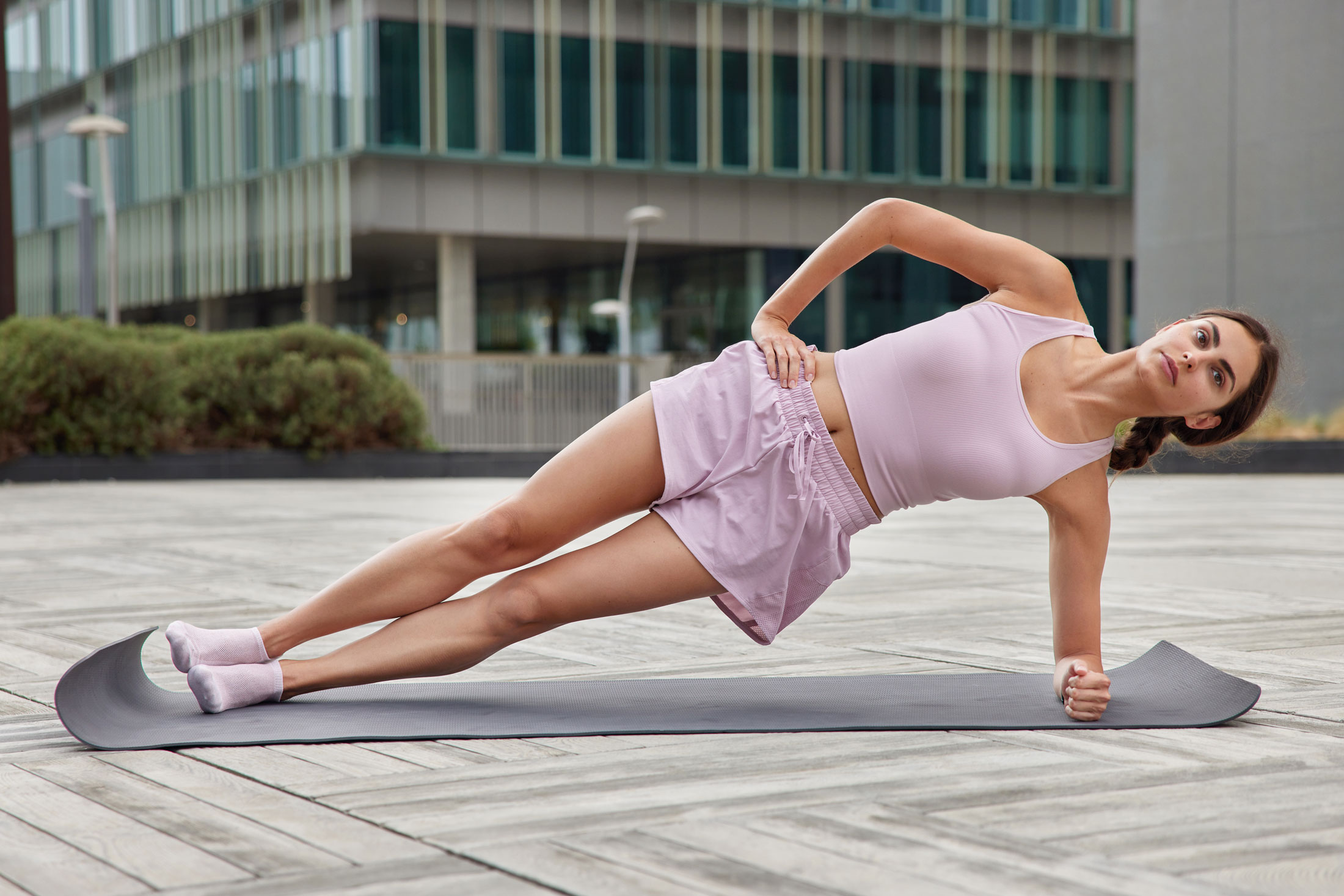
With more people prioritizing fitness, performance, and longevity, core training has become a staple in most routines. However, it’s often misunderstood or oversimplified. Many people associate the core with visible abs, but its true function extends far beyond appearance.
Whether you’re lifting weights, playing sports, or simply staying active, your core is involved in nearly every movement you perform. Developing a strong, functional core is less about aesthetics and more about improving movement quality, reducing injury risk, and supporting long-term physical health.
What Is the Core?
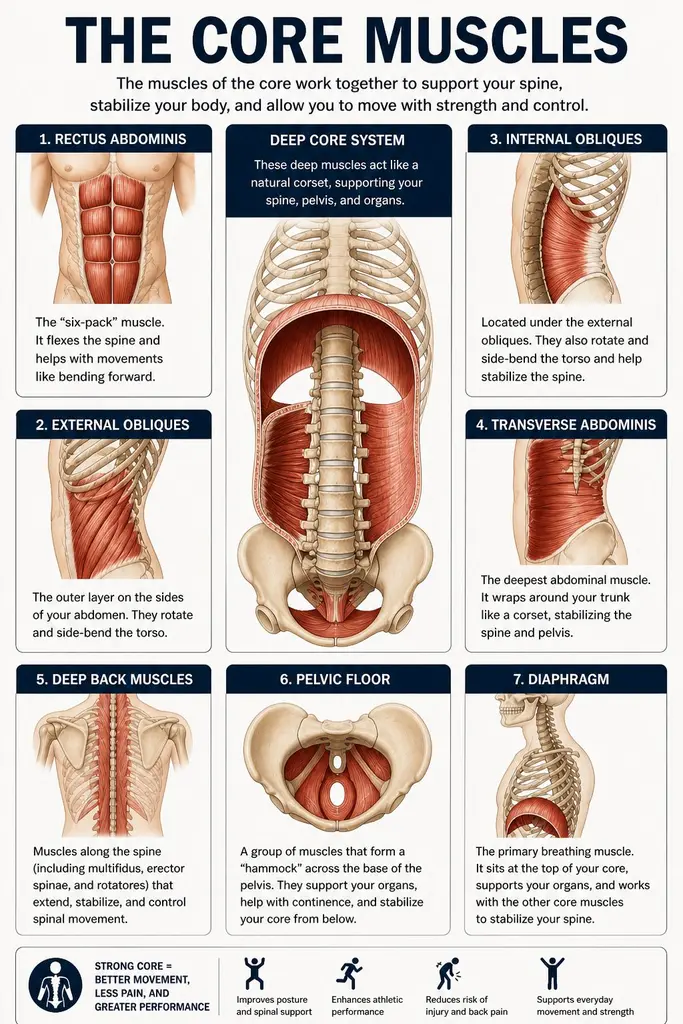
The core is more than just the “six-pack” muscles. It’s a coordinated system of muscles that work together to stabilize and move the spine and pelvis.
This system includes:
- The rectus abdominis (six-pack)
- Internal and external obliques
- Transverse abdominis (TA)
- Lower back muscles (erectors and multifidus)
- Pelvic floor
- Diaphragm
Together, these structures create a 360-degree support system around the spine. Rather than functioning in isolation, they work in sync to manage pressure, maintain alignment, and transfer force throughout the body.
Understanding the core this way shifts the focus from isolated abdominal exercises to integrated, functional movement.
The Relationship Between Core Strength and Low Back Pain
Low back pain is one of the most common complaints in both active and general populations, and the role of the core is often central to the conversation.1
However, the relationship isn’t always straightforward.
In some cases, a weak or poorly coordinated core may lead to decreased spinal stability, placing more stress on passive structures like discs and ligaments. Over time, this can contribute to irritation or injury.
In other cases, pain comes first.
When the low back becomes irritated, the body often responds by inhibiting certain stabilizing muscles—particularly the deeper core muscles like the transverse abdominis and multifidi. As a result, people may unconsciously avoid using their core, leading to weakness, compensation patterns, and reduced movement efficiency. Pain causes a reduction of muscle activation.2,3
This creates a cycle:
- Pain leads to decreased core activation
- Decreased activation leads to reduced stability
- Reduced stability increases stress on the low back
Breaking this cycle requires restoring both strength and coordination—not just isolating muscles, but retraining how they function together.4,5
The Core’s Role in Stability, Movement, and Performance
The core plays multiple roles, all of which are essential for efficient and pain-free movement.
Stability
One of the primary functions of the core is to provide stability to the spine and pelvis.
This includes:
- Controlling pelvic tilt
- Maintaining a neutral spine
- Providing a stable base for the limbs to move from
Without this stability, the body often compensates by shifting stress to other areas, such as the hips or lower back.
Movement
While stability is important, the core is also responsible for producing movement.
It contributes to:
- Flexion (bending forward)
- Extension (leaning back)
- Lateral flexion (side bending)
- Rotation (twisting)
A well-functioning core allows these movements to occur in a controlled and coordinated manner.
Performance and Energy Transfer
The core serves as the link between the upper and lower body.
When force is generated—whether during a sprint, throw, or lift—it must be transferred efficiently through the trunk. If the core lacks strength or coordination, some of that force is lost, often referred to as an energy leak.6
This can result in:
- Decreased power output
- Reduced efficiency
- Increased reliance on compensatory movement patterns
Over time, these compensations can contribute to overuse injuries in areas like the shoulders, hips, or knees.7,8
Bracing: Finding the Right Amount of Tension
Bracing is a key component of core function, especially during loaded movements—but it’s often overapplied.
A proper brace involves creating tension through the abdominal wall to stabilize the spine. This is essential during higher-load activities like deadlifts or squats, where spinal support is critical.
However, not every movement requires maximal bracing.
The goal is to develop a minimal effective brace—just enough tension to provide stability without restricting movement or breathing.
For example:
- A heavy deadlift requires a strong, intentional brace
- Standing up from a chair or walking requires much less
Over-bracing throughout the day can lead to unnecessary stiffness and inefficient movement patterns. On the other hand, under-bracing during demanding tasks can leave the spine vulnerable.9
Learning to scale your brace based on the task is a key part of developing a functional core.
How to Effectively Train the Core
Core training should be approached the same way as any other muscle group: with intention, progression, and variety. That means…
Start With a Foundation
These 3 are a practical and effective starting points:
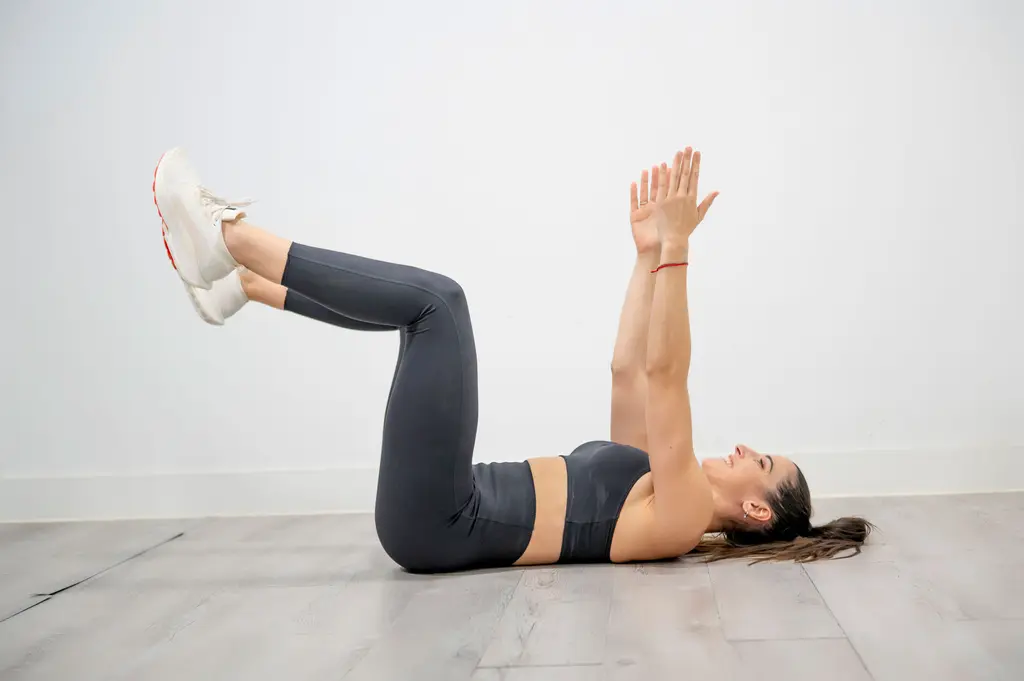
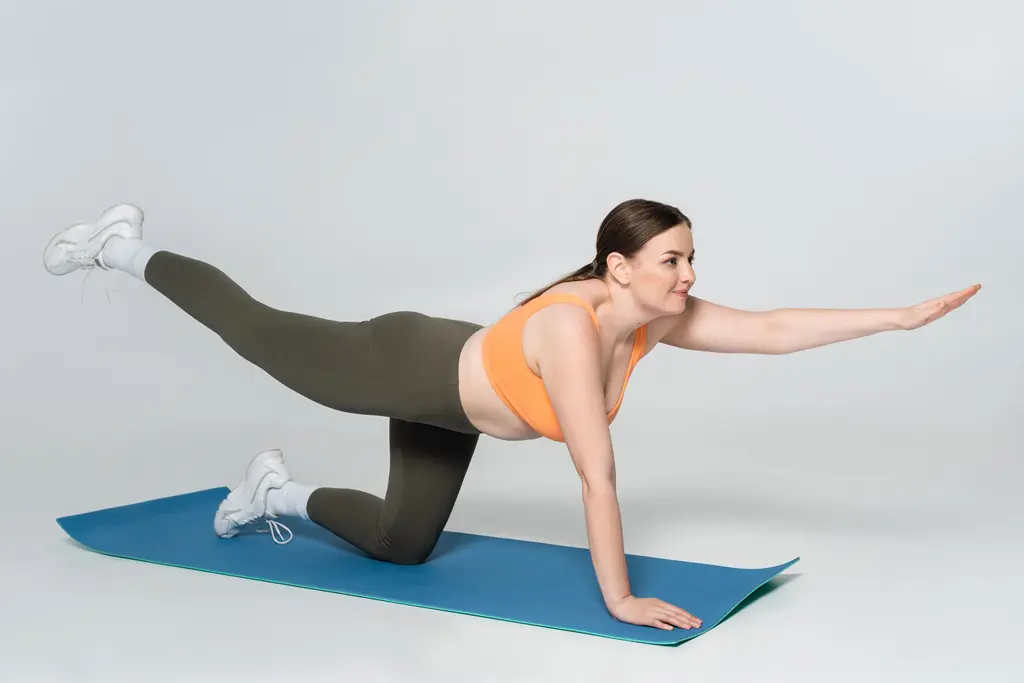
- Dead bug
- Side plank
- Bird dog
These exercises focus on building stability and endurance in a safe, controlled manner. They are appropriate for most individuals and can be easily progressed as strength improves.
Expand Beyond the Basics
While foundational exercises are important, they are not the end goal.
Incorporating additional movement patterns helps create a more well-rounded core:
- Rotation and anti-rotation exercises (e.g., Pallof press)
- Loaded carries, particularly exercises that are loaded unilateral like suitcase carries
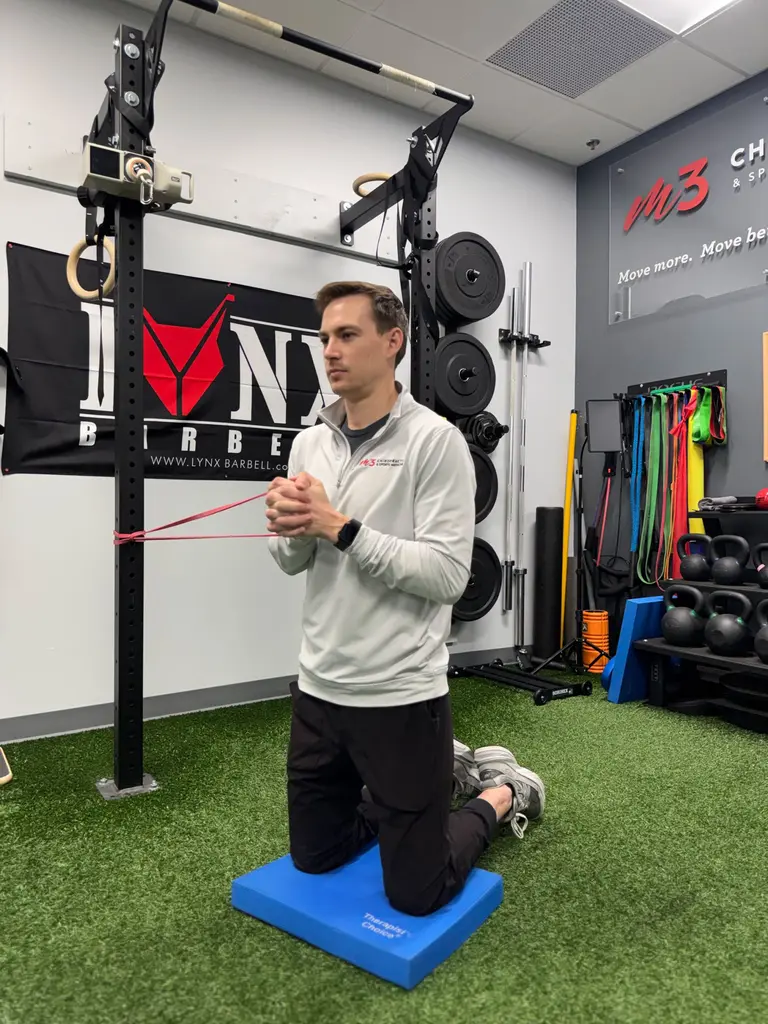
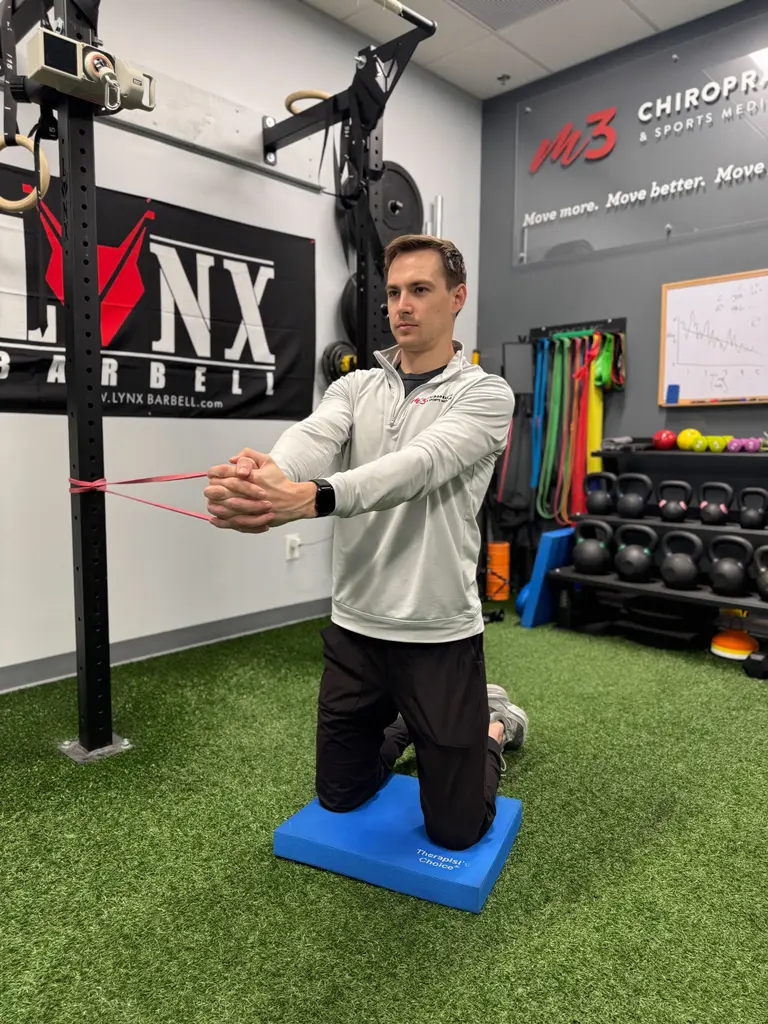
These introduce real-world demands and challenge the core in more dynamic ways.
Use Compound Movements
Many full-body exercises naturally train the core when performed correctly.
Examples include:
- Squats
- Deadlifts
- Power cleans
- Overhead press (especially unilateral variations)
These movements require the core to stabilize and transfer force, making them highly effective for functional strength.
Final Thoughts
Training your core does not need to be complicated or time-consuming.
You don’t need endless variations or high-repetition ab workouts. Instead, focus on:
- Consistency
- Proper technique
- Gradual progression in load, repetitions, and/or time under tension
A strong, well-functioning core supports everything from daily activities to high-level performance. By approaching core training with intention and simplicity, you can improve movement quality, reduce injury risk, and build a foundation that carries over into every aspect of your training.
References
- GBD 2021 Low Back Pain Collaborators. Global, regional, and national burden of low back pain, 1990-2020, its attributable risk factors, and projections to 2050: a systematic analysis of the Global Burden of Disease Study 2021. Lancet Rheumatol. 2023 May 22;5(6):e316-e329. doi: 10.1016/S2665-9913(23)00098-X. PMID: 37273833; PMCID: PMC10234592.
- Hodges PW, Richardson CA. Inefficient muscular stabilization of the lumbar spine associated with low back pain. A motor control evaluation of transversus abdominis. Spine (Phila Pa 1976). 1996 Nov 15;21(22):2640-50. doi: 10.1097/00007632-199611150-00014. PMID: 8961451.
- Hides JA, Stokes MJ, Saide M, Jull GA, Cooper DH. Evidence of lumbar multifidus muscle wasting ipsilateral to symptoms in patients with acute/subacute low back pain. Spine (Phila Pa 1976). 1994 Jan 15;19(2):165-72. doi: 10.1097/00007632-199401001-00009. PMID: 8153825.
- Huang H, Xie H, Zhang G, Xiao W, Ge L, Chen S, Zeng Y, Wang C, Li H. Effects of dynamic neuromuscular stabilization training on the core muscle contractility and standing postural control in patients with chronic low back pain: a randomized controlled trial. BMC Musculoskelet Disord. 2025 Mar 1;26(1):213. doi: 10.1186/s12891-025-08417-1. PMID: 40025463; PMCID: PMC11871613.
- Hlaing SS, Puntumetakul R, Khine EE, Boucaut R. Effects of core stabilization exercise and strengthening exercise on proprioception, balance, muscle thickness and pain related outcomes in patients with subacute nonspecific low back pain: a randomized controlled trial. BMC Musculoskelet Disord. 2021 Nov 30;22(1):998. doi: 10.1186/s12891-021-04858-6. PMID: 34847915; PMCID: PMC8630919.
- Kibler WB, Press J, Sciascia A. The role of core stability in athletic function. Sports Med. 2006;36(3):189-98. doi: 10.2165/00007256-200636030-00001. PMID: 16526831.
- Leppänen M, Viiala J, Kaikkonen P, Tokola K, Vasankari T, Nigg BM, Krosshaug T, Werthner P, Parkkari J, Pasanen K. Hip and core exercise programme prevents running-related overuse injuries in adult novice recreational runners: a three-arm randomised controlled trial (Run RCT). Br J Sports Med. 2024 Jun 20;58(13):722-732. doi: 10.1136/bjsports-2023-107926. PMID: 38724071.
- Aliyev R, Kozlov V, Kalantarly N, Loosemore M. Correlation Between Core Stability Parameters and Injury Rate in Elite-Level Wrestling Sport: Results of 6-Month Follow-up. Orthop J Sports Med. 2026 Jan 8;14(1):23259671251403160. doi: 10.1177/23259671251403160. PMID: 41522453; PMCID: PMC12789405.
- Hodges PW, Moseley GL. Pain and motor control of the lumbopelvic region: effect and possible mechanisms. J Electromyogr Kinesiol. 2003 Aug;13(4):361-70. doi: 10.1016/s1050-6411(03)00042-7. PMID: 12832166.