
Calf tears are more common than you might think, especially in sports that involve sudden stops and starts. But how much do you really know about this injury? Who should you see, and what steps should you take to get back to your sport as quickly and safely as possible? In today’s blog post, we’ll dive into everything you need to know about calf tears.
Understanding Your Calf Muscle
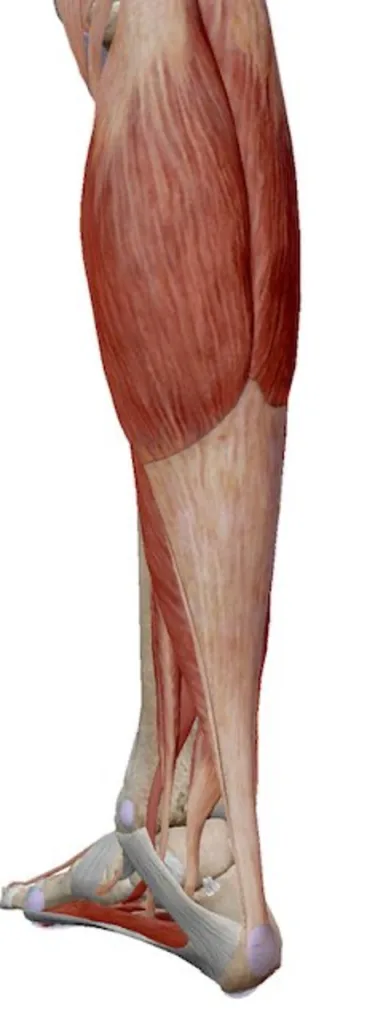
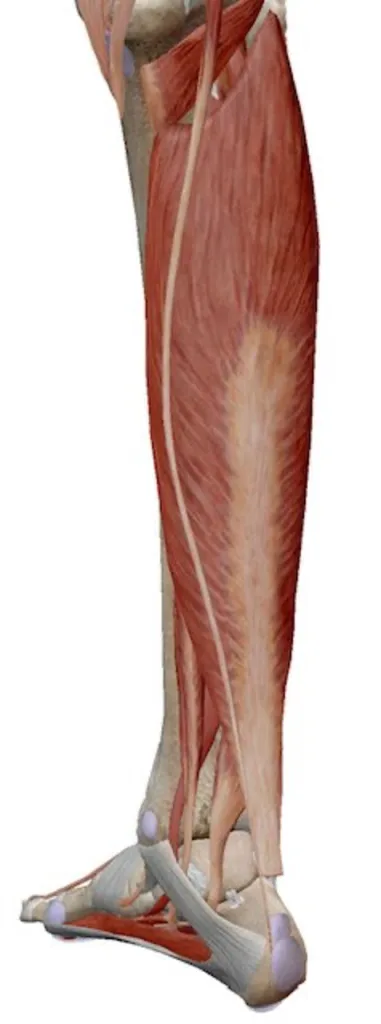
First things first, let’s talk anatomy. Your calf muscle, known as the gastrocnemius, is that bulging muscle at the back of your lower leg. It’s actually made up of two parts:
- Medial head: Located on the inner side of your calf.
- Lateral head: Located on the outer side of your calf.
These two heads come together and merge with the Achilles tendon, which they share with the deeper soleus muscle. The gastrocnemius sits on top of the soleus, and together, they play a crucial role in movements like pushing off the ground, jumping, and running.
When a calf tear happens, it most commonly affects the medial head of the gastrocnemius. Studies suggest this is because the medial head does more work compared to the lateral head during physical activity. The tear often occurs where the muscle starts to transition into the tendon—this spot is called the musculotendinous junction.
Fun fact: This injury is sometimes referred to as “Tennis Leg” because it was first described in a tennis player way back in 1883. But don’t let the name fool you; it’s common in many sports—sometimes even more so than ankle sprains!
How to Tell If You’ve Torn Your Calf
So, how do you know if that sting in your calf is something serious? Here are some common signs of a calf tear:
- Sharp, sudden pain: Often described as a sting or pop in the back of the leg.
- Swelling and bruising: These may develop soon after the injury.
- Tenderness: The area might be sensitive to touch.
- Difficulty moving: You might have trouble walking or standing on your toes.
If you suspect a calf tear, it’s essential to get it checked out. Consulting us will help you get an accurate diagnosis and start on the path to recovery.
Imaging Tests
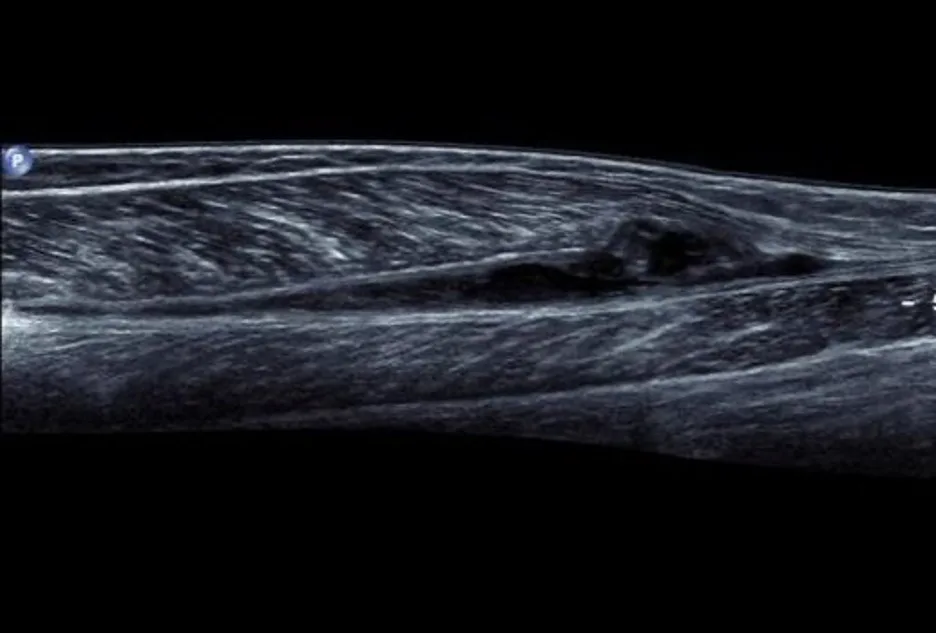
- Ultrasound: This is often the first choice because it’s quick, painless, and cost-effective. It allows us to see the muscles and tendons in real-time.
- MRI: In some cases, an MRI might be used for a more detailed look, especially if the ultrasound isn’t conclusive.
Treatment: Getting Back on Your Feet
Immediate Care
Right after the injury, follow the R.I.C.E. method:
(Note: we don’t use the RICE method for much these days, but in this case it’s still relevant!)
- Rest: Stop any activity that causes pain.
- Ice: Apply ice packs to reduce swelling—20 minutes every couple of hours is a good rule of thumb.
- Compression: Use an elastic bandage to help minimize swelling.
- Elevation: Keep your leg raised above heart level when possible.
What to Avoid
- Heat: Don’t apply heat in the first few days—it can increase swelling.
- Massage: Avoid massaging the injured area initially, as it might exacerbate bleeding and swelling.
Medical Attention
In some cases, a hematoma (a collection of blood outside of blood vessels) can form. If it’s large, it might compress nerves or blood vessels, and it may need to be drained.
Rehabilitation
Once the initial pain and swelling have subsided, rehabilitation begins:
- Guided exercises: A tailored exercise program will be given as soon as it’s productive to help restore mobility, strength, and function. These exercises are designed to gradually increase load starting with daily functions like walking or stepping to jumping, cutting and sprinting if your sport calls for it.
- Advanced Therapies: We offer treatments like Extracorporeal Shockwave Therapy (ESWT) or Class IV Laser Therapy to promote healing and reduce pain. While some people find these helpful, it’s important to discuss the options with us.
How Long Until You’re Back in Action?
Recovery time can vary widely depending on the severity of the tear:
- Mild Tear: You might be back to normal activities in 1–2 weeks.
- Moderate Tear: Could take 4–8 weeks.
- Severe Tear: May require 3 months or more, and in rare cases, surgery might be necessary.
Dr. Carles Pedret’s Classification
Dr. Carles Pedret, a sports medicine physician in Spain and the world’ leading expert on this injury has classified calf tears into four types, each with different recovery timelines. We use diagnostic ultrasound along with Dr. Pedret’s classification system to accurately determine next steps, estimate time away from sport, and treat conservatively or refer for specialist consultation.
Preventing Re-Injury
Returning to your sport too soon can increase the risk of re-injury. It’s crucial to follow your doctor’s advice on when it’s safe to get back in the game. A structured rehabilitation program not only helps you recover but also strengthens the muscle to prevent future injuries.
When to Seek Professional Help
If you’ve experienced symptoms of a calf tear, don’t hesitate to consult us! Early diagnosis and treatment can make a significant difference in your recovery. We can manage your care effectively and refer you to specialists if more invasive treatments are needed.
Final Thoughts
Calf tears might be common, but they don’t have to sideline you for long. With the right care and rehabilitation, you can get back to doing what you love. Remember, listening to your body and seeking timely medical advice are key steps toward a speedy recovery.
We’re Here to Help
If you or someone you know is dealing with a calf injury, feel free to reach out. We are dedicated to helping you recover safely and return to your favorite activities. Contact M3 Chiropractic & Sports Medicine today to learn more about how we can support your journey back to full strength!